Build-To-Rent in the Spotlight
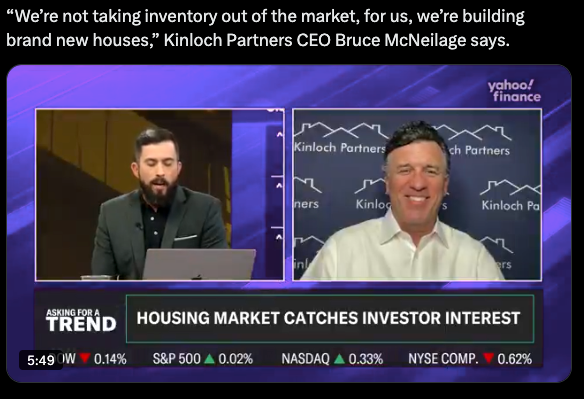
As housing affordability and availability continue to challenge communities across the United States, the build-to-rent (BTR) model is stepping into the spotlight as a compelling solution. In recent discussions, Bruce McNeilage of Kinloch Partners shared valuable insights into why this sector is growing rapidly and how it’s reshaping the single-family housing landscape.
A Rapidly Growing Housing Segment
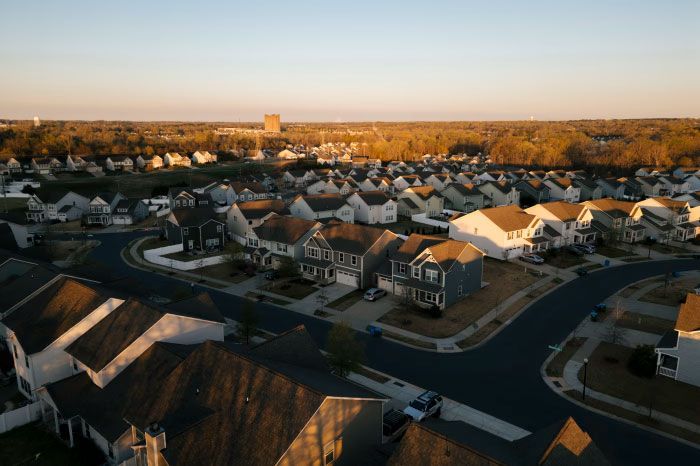
Build-to-rent communities — neighborhoods of newly constructed single-family homes designed specifically for renters — have expanded significantly over the past several years. What began largely in Sun Belt markets such as Texas and the Southeast has now spread nationwide, reflecting strong demand for high-quality rental housing.
Unlike traditional rental models, build-to-rent adds new housing supply to the market rather than competing with would-be homeowners for existing inventory. This distinction has made the sector increasingly attractive to developers, investors, and policymakers alike.
Why Renters Are Choosing Build-to-Rent
One of the strongest drivers behind the growth of build-to-rent is renter preference. According to McNeilage, residents are drawn to the space, privacy, and lifestyle benefits of a single-family home — features that apartment living often can’t provide.
Another key advantage is tenant stability. Build-to-rent residents tend to stay longer, averaging four to five years, compared to roughly two years in traditional apartment communities. This longer tenure benefits not only operators and investors, but also neighborhoods, as residents become more engaged in their communities and local economies.
Who Is the Build-to-Rent Renter?
The typical build-to-rent resident may surprise some observers. These renters are often:
- College-educated professionals
- In their 30s or early 40s
- Earning strong household incomes (often exceeding six figures)
Many are financially capable of purchasing a home but choose to rent due to lifestyle flexibility, job mobility, or a desire to avoid the responsibilities of homeownership in today’s market.
Policy, Perception, and Market Impact
Build-to-rent has also entered the policy conversation. While concerns have been raised nationally about institutional ownership of single-family homes, McNeilage emphasizes that build-to-rent is fundamentally different. Because these homes are purpose-built rentals, they expand housing options without reducing for-sale inventory.
This distinction has been acknowledged in recent policy discussions, where build-to-rent developments have been viewed as part of the solution to America’s housing shortage rather than a contributor to it.
A Bridge Between Renting and Owning
At its core, build-to-rent fills a critical gap in the housing market. It offers a middle ground between apartment living and homeownership — delivering the comforts of a single-family home with the flexibility of renting.
As demand for attainable, high-quality housing continues to rise, the build-to-rent model is well positioned to play a long-term role in shaping communities, supporting workforce mobility, and addressing housing supply challenges across the country.